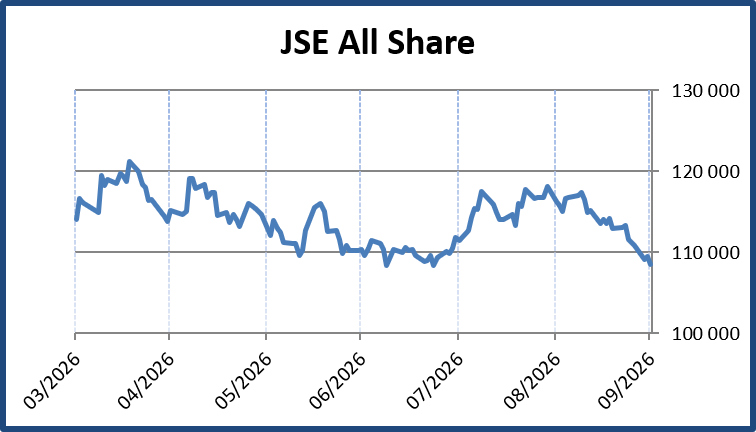
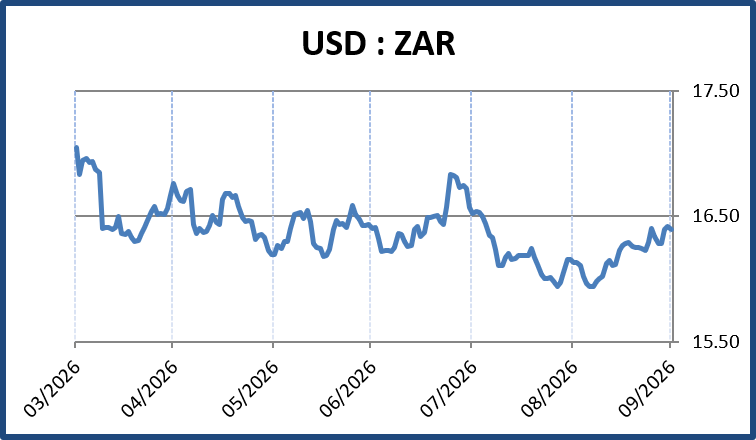
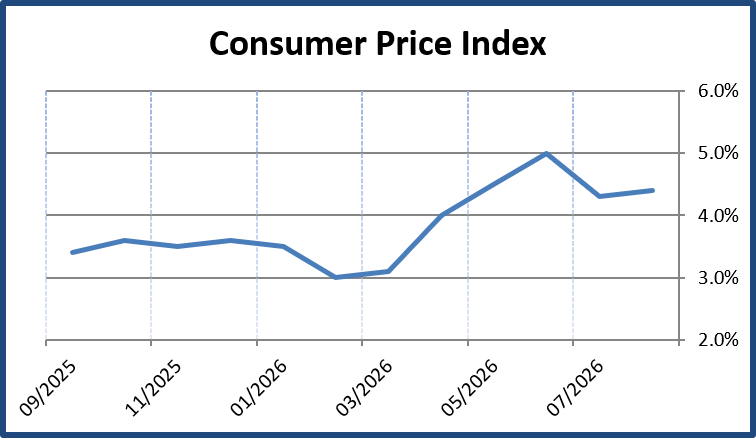
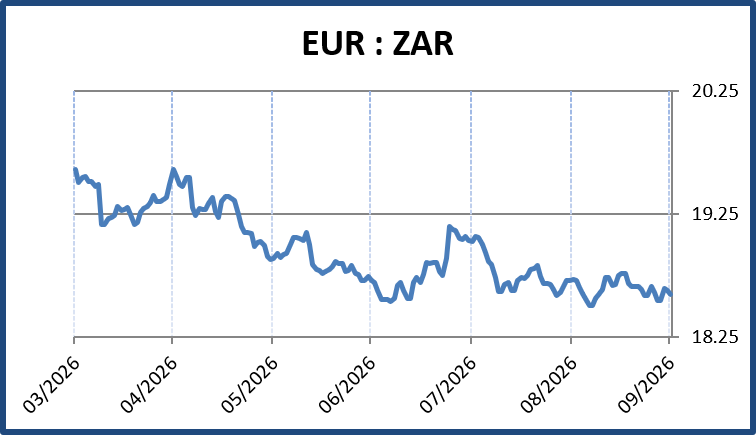
September was a challenging month for investors, both globally and locally. After a period of relative resilience, markets were reminded that geopolitical events can still have a meaningful impact on economic growth, inflation expectations and investor sentiment. The primary driver of market weakness was the renewed focus on energy prices. Ongoing tensions in the Middle East continued to support elevated oil prices, raising concerns that inflation could remain higher for longer than many investors had hoped. While central banks have made significant progress in bringing inflation under control over the past few years, the prospect of sustained energy price pressures raised questions about how quickly interest rates can ultimately normalise. Global equity markets responded negatively as investors reassessed the outlook for inflation and economic growth. Government bond yields moved higher during the month as markets priced in the possibility that interest rates could remain elevated for longer. While bond markets are often overlooked by retail investors, their movements can have a significant influence on equity valuations and investor behaviour. As yields rose, sentiment towards risk assets weakened, contributing to broad-based declines across many international markets. South Africa was not immune to these developments. The JSE experienced a difficult month, largely reflecting weakness in global markets rather than any significant deterioration in domestic economic conditions. South African equities continue to be influenced by international capital flows and shifts in global investor sentiment, and September provided another example of how global events can quickly find their way onto local trading screens. Despite market weakness, the domestic economic backdrop remains relatively stable. Inflation is considerably better behaved than many feared earlier in the year when oil prices first began climbing, and the South African Reserve Bank remains focused on maintaining price stability while supporting longer-term economic growth and as a result of these pressures the Reserve Bank raised the Repo rate by 0.25%. Consumers continue to face financial pressure, but there is little evidence at this stage that South Africa is facing the type of inflation shock that characterised previous economic cycles. |